
Sustainable daily distance
City commuting numbers rarely survive loaded touring. Set a day that leaves reserve for food stops, navigation, and the final climb into lodging.
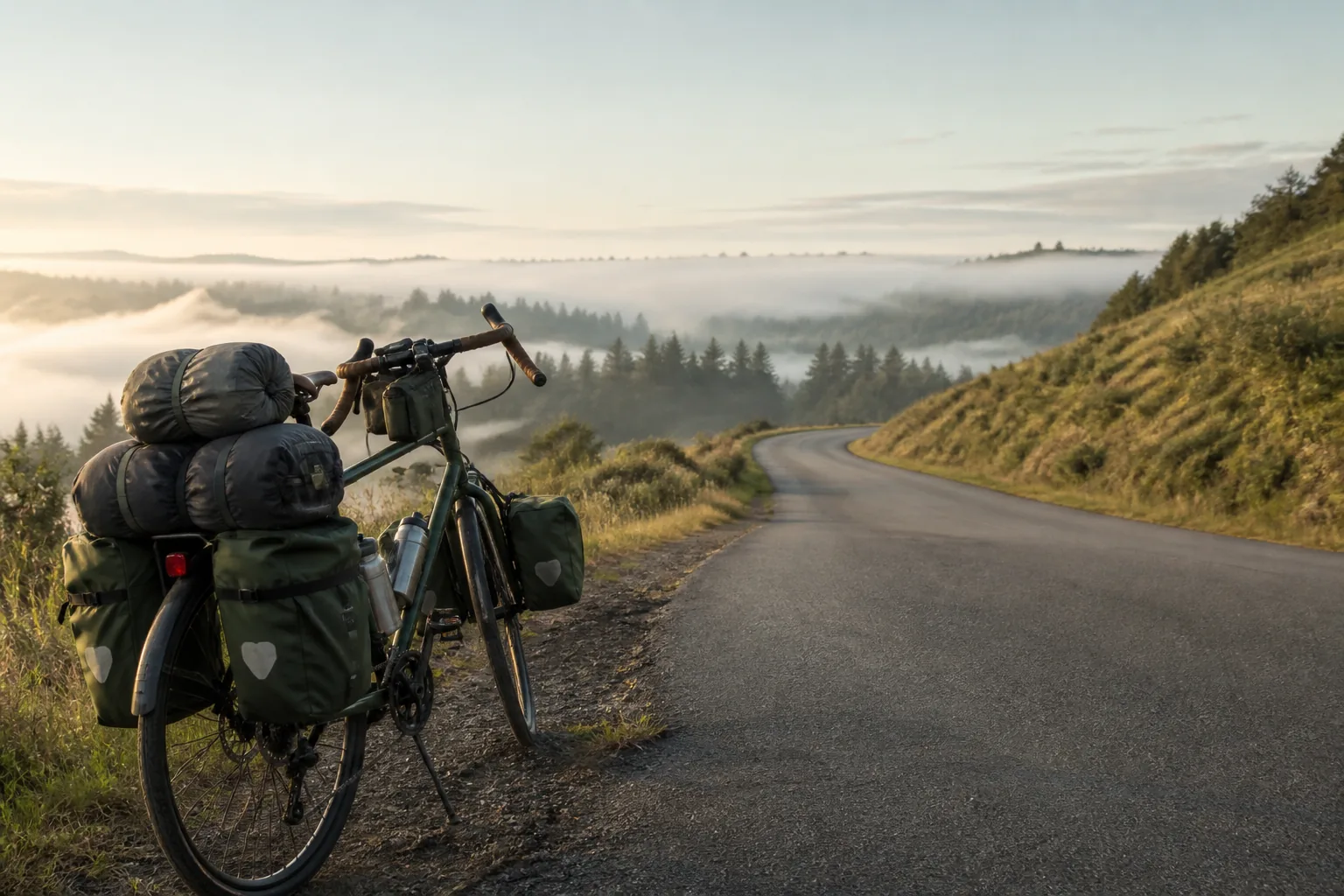
Shape riding days that match real hills, wind, and cargo — not flat-city averages.
The bicycle is a way to cover ground at a pace where landscape stays readable. Guides cover daily distance with bags, elevation reading before departure, surface checks, quieter road choices, weight balance, and what you can fix yourself on the shoulder.
Learn MoreDay shaping
Strong touring days are designed early: how far you can sustain with bags, how climbs stack, and how wind reshapes both of those numbers.
City commuting numbers rarely survive loaded touring. Set a day that leaves reserve for food stops, navigation, and the final climb into lodging.
Vertical gain often decides fatigue more than total miles. Read a profile early enough to shorten the day, split stages, or reverse a direction.
A steady headwind can erase half a plan. Place long exposed stretches when you are fresh, and accept a shorter finish when the wind will not yield.
Surfaces and traffic
Surface quality and vehicle volume change pace, risk, and how much attention you can still give the landscape.
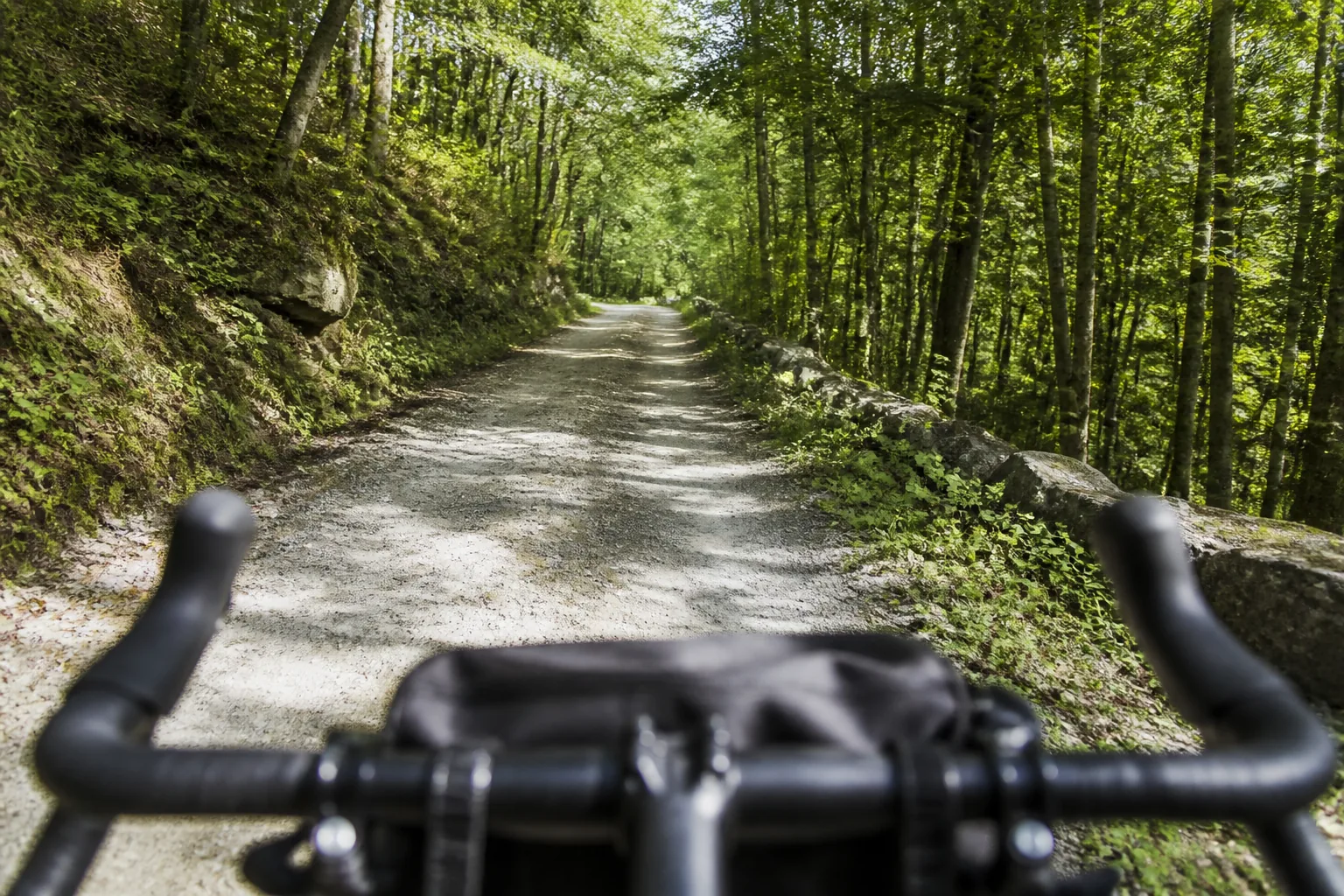
Use map layers, recent traveler notes, and satellite texture to judge grip and rolling resistance before you commit to a lonely stretch of road.
Parallel farm lanes and shoulder-friendly connectors often beat the obvious highway. When no detour exists, pacing and visibility habits keep the stage manageable.
Field record
These figures reflect documented touring work and client route reviews — useful context, not a promise of identical outcomes on every road you ride.
Years of combined touring experience across the team
Elevation profiles reviewed for day-stage planning
Multi-day itineraries field-tested with loaded bikes
Core planning frameworks used in our consultations
On-route systems
Packing, repair readiness, transit rules, weather clothing, and first-tour shape decide whether a plan survives contact with the road itself.
What belongs on the rack, what stays on your body, and how weight shifts steering and climbing effort when the road turns broken.
A compact tool kit for punctures and loose bolts, plus clear limits for what needs a workshop instead of a stop on the shoulder.
Practical steps for trains, coaches, and ferries: reservation windows, bag requirements, and how to arrive with a machine that still rides.
Layers for a full day in the saddle and how quickly comfort collapses when rain starts — with packing choices that stay light on the rack.
Why a shorter loop forgives mistakes better than a long point-to-point while you are still learning how your loaded pace feels.
Field notes become clear checklists you can bring into a personal planning conversation before you set the first overnight.
Team
Three specialists turn field miles into route notes, packing plans, and consultation support for travelers preparing loaded bicycle journeys of their own.

Lead Route Planner
Certified Bicycle Touring Guide · Terrain Analysis Certificate
Builds day stages around elevation stacks, daylight windows, and lodging access after comparing more than one corridor option.
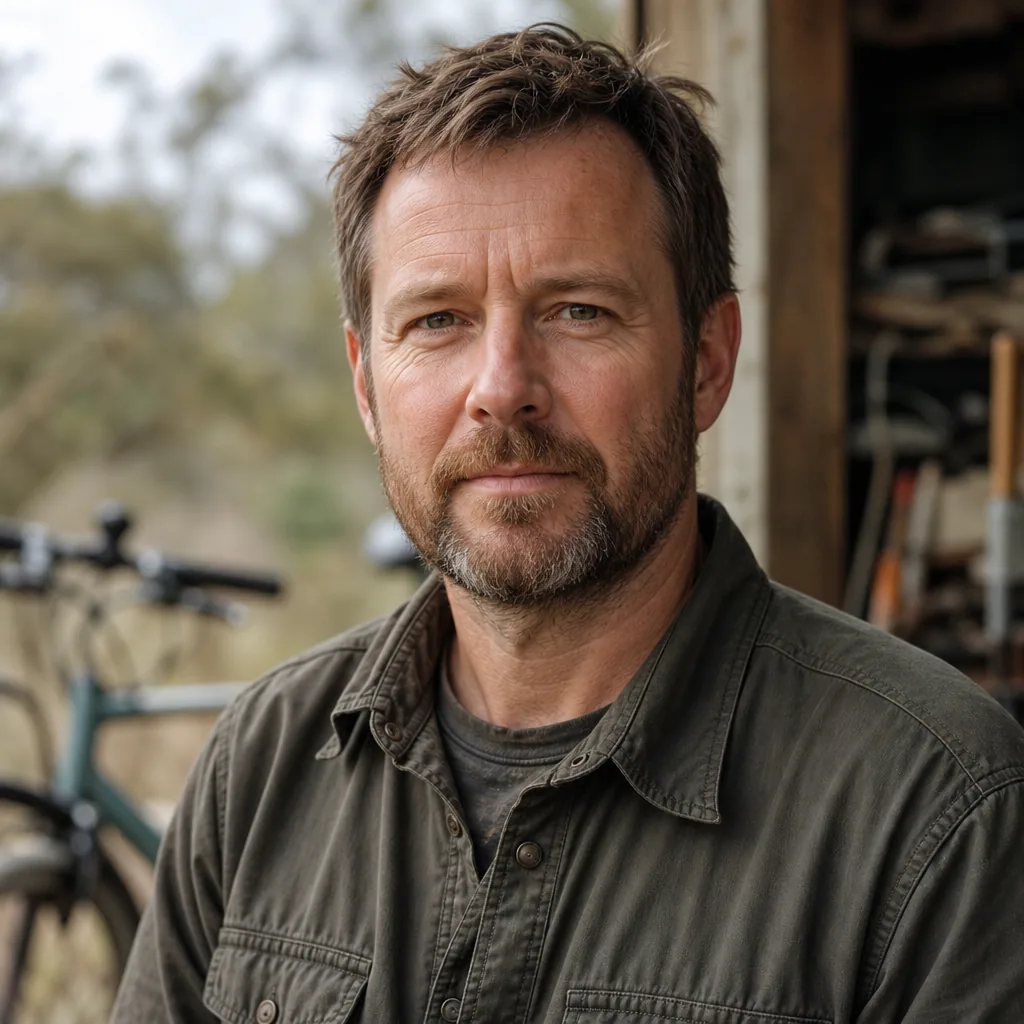
Field Mechanics Advisor
Adventure Cycling Instructor · Roadside Repair Credential
Defines what belongs in a minimal kit and trains travelers to separate quick fixes from problems that need a shop visit.

Load and Gear Specialist
Bike Packing Systems Certificate · Weather Layering Workshop Lead
Balances rack weight, rider comfort, and rain readiness so the bicycle stays predictable on long descents and broken connectors.
Traveler notes
Short accounts from people who adjusted mileage, gear, and route shape before they left.
Share the corridor you are considering and we will help you pressure-test distance, climbs, packing, and transit pieces before you lock the plan.
Request a Consultationelphrondzqx teaches bicycle travel planning and offers personal consulting for the cycling part of a trip. We ride the methods we publish and keep the advice practical, calm, and grounded in what a loaded day actually feels like.
Learn MorePages on elphrondzqx are written to teach planning methods, route checks, and packing habits for bicycle travel. They do not replace local rules, carrier policies, or judgment on the road.
Conditions change between visits: road works, weather, lodging openings, and transit policies can shift without notice. Confirm details with operators and hosts before you travel, and consult qualified specialists when the plan involves unfamiliar terrain, medical questions, or complex logistics.
Decisions you make on the road remain yours. elphrondzqx is not liable for choices, delays, equipment issues, or outcomes that follow from using the information on this site.